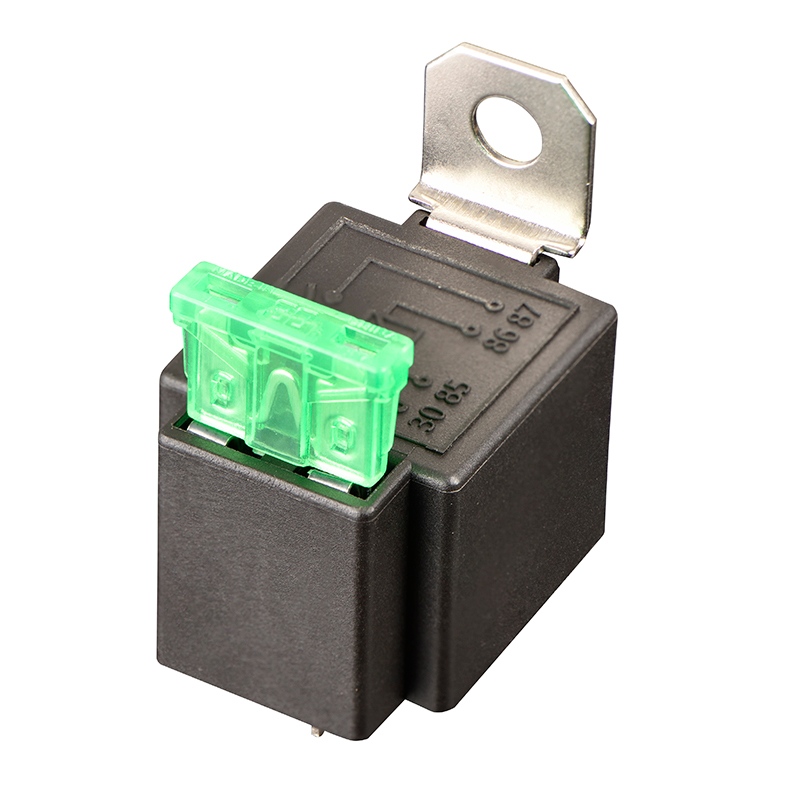

Modern vehicles rely on increasingly complex electrical systems to power lighting, HVAC units, infotainment systems, electric fans, fuel pumps, battery management systems, and advanced driver assistance technologies. As electrical loads continue to increase, protecting circuits from overloads and short circuits becomes more critical than ever. This is where a Fuse Design Automotive Relay plays an essential role.
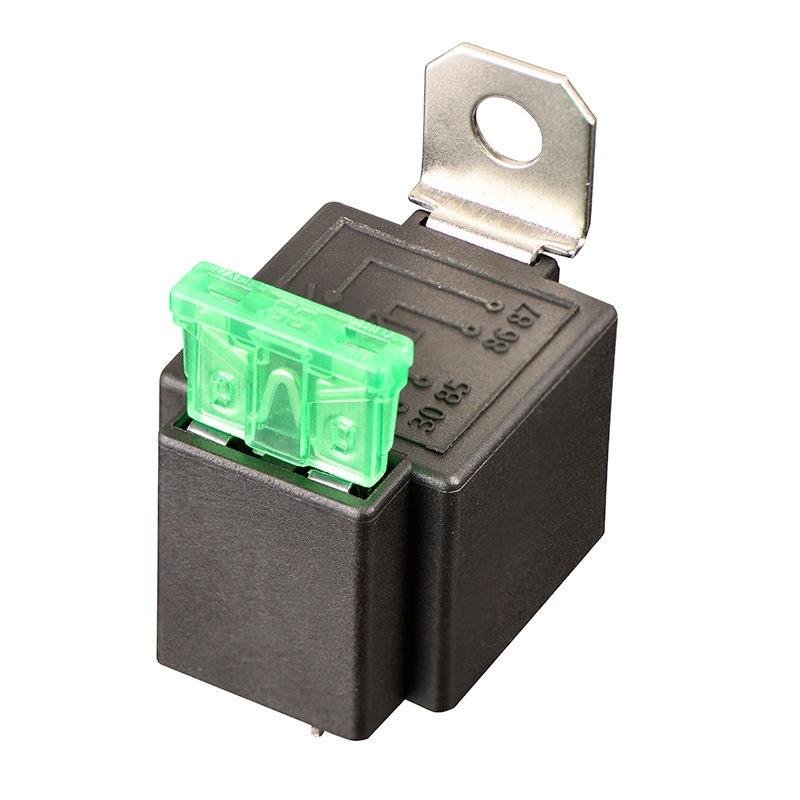
A fuse design automotive relay combines the switching capability of a relay with integrated circuit protection, offering a compact and reliable solution for modern automotive applications. In this guide, we will explore how fuse design automotive relays work, their advantages, selection criteria, common applications, and why they have become a preferred solution for automotive manufacturers and system integrators.
This article explains the working principles, benefits, applications, and selection considerations of Fuse Design Automotive Relays. It also highlights how integrated fuse protection enhances vehicle safety, reduces wiring complexity, improves maintenance efficiency, and supports reliable operation in demanding automotive environments.
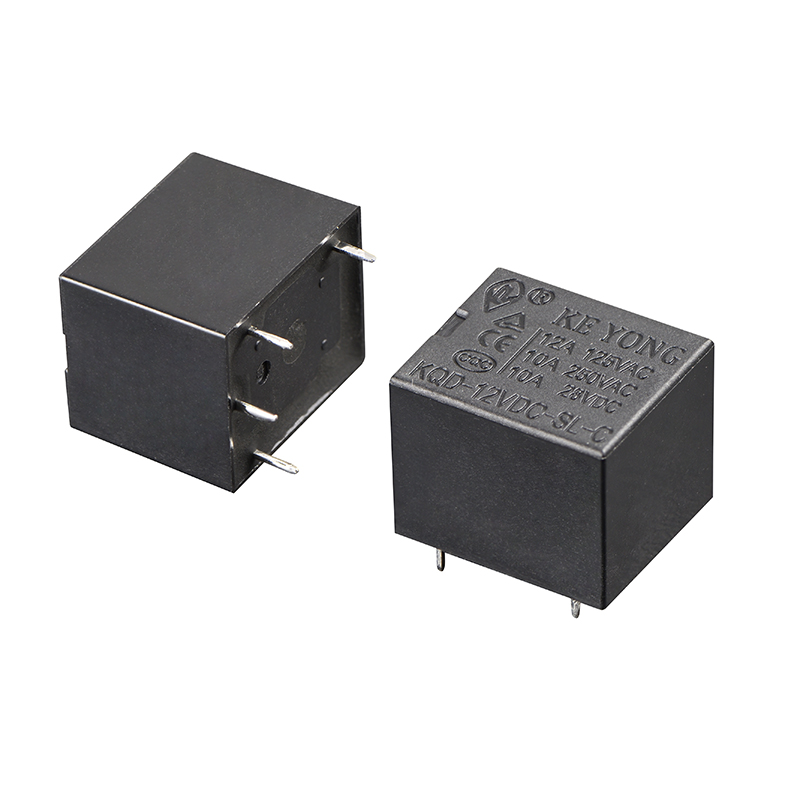
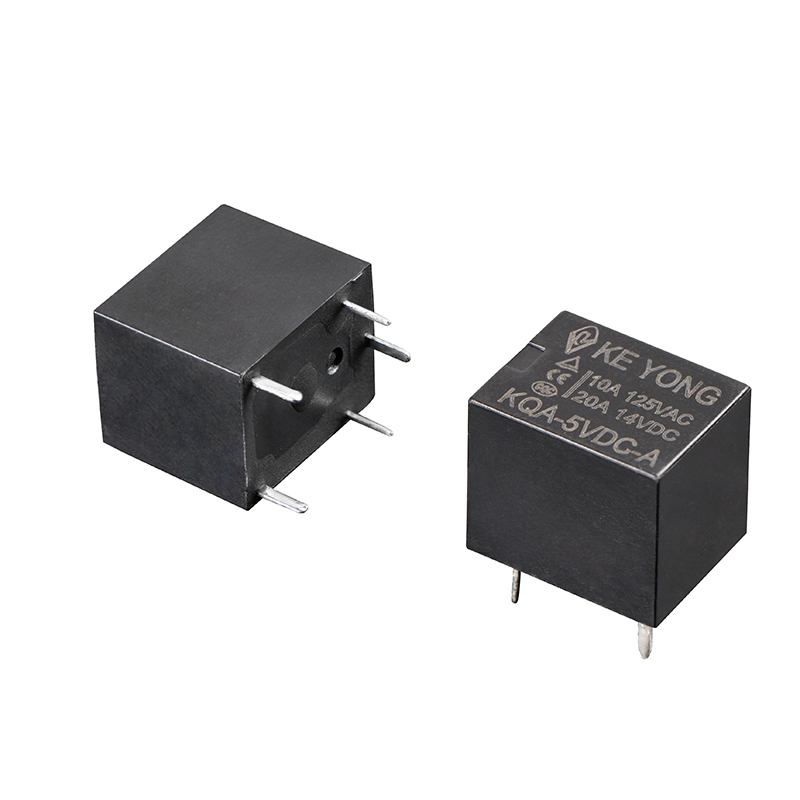
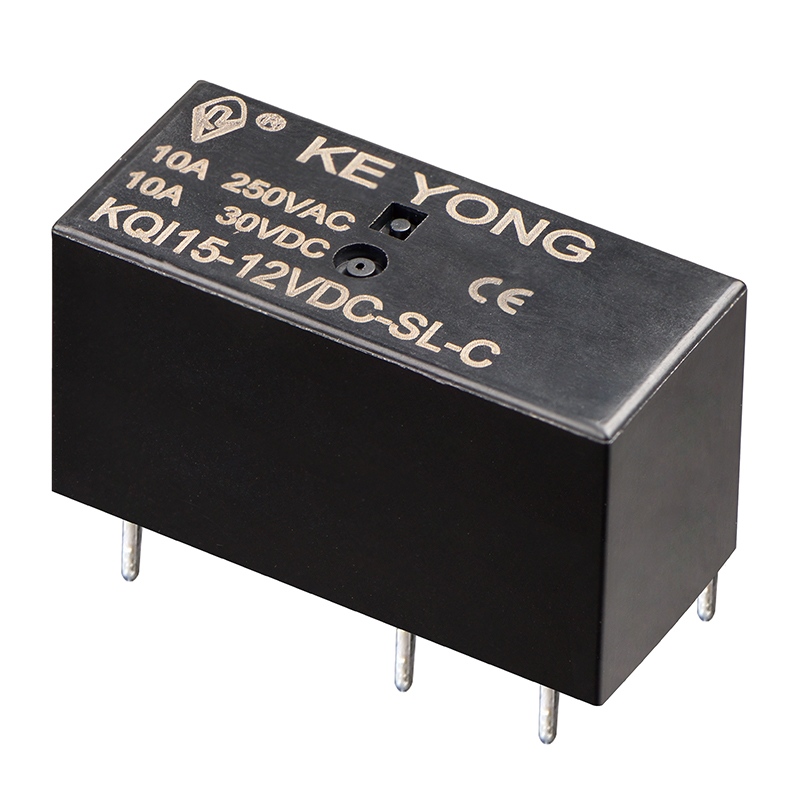
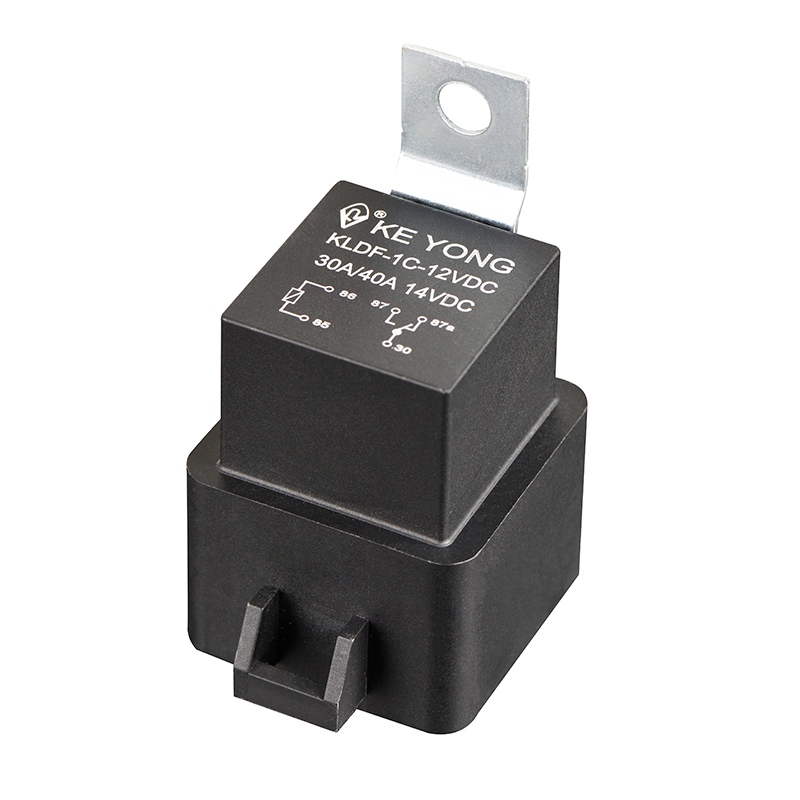
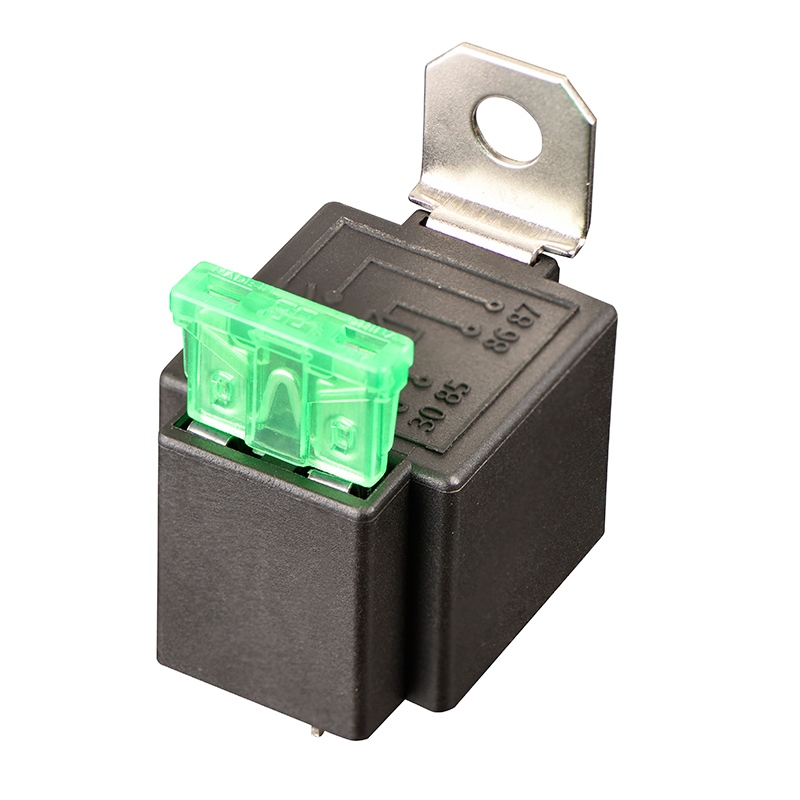
A Fuse Design Automotive Relay is an electromechanical or electronic switching device that incorporates fuse protection into the relay assembly. Instead of using a separate relay and fuse holder, the integrated design combines both functions into a single compact component.
The relay controls high-current circuits through a low-current control signal, while the built-in fuse protects the circuit from excessive current flow caused by overloads, wiring faults, or short circuits.
This integrated approach simplifies vehicle electrical architecture while enhancing reliability and serviceability.
| Component | Primary Function |
|---|---|
| Relay Coil | Activates switching mechanism |
| Relay Contacts | Controls current flow to loads |
| Integrated Fuse | Protects circuits from overcurrent conditions |
| Housing | Provides insulation and environmental protection |
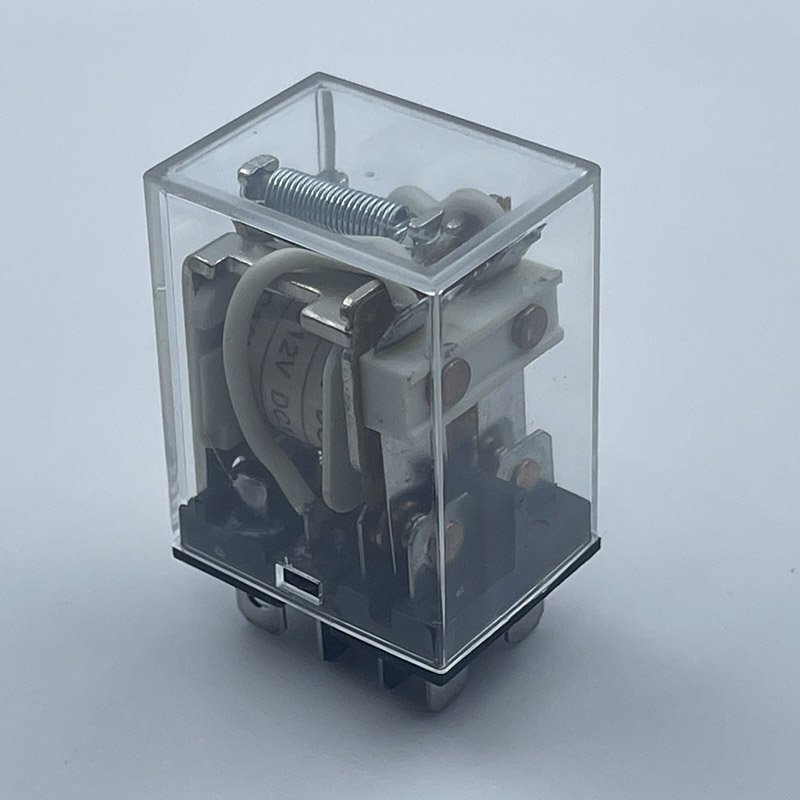
The operating principle is relatively straightforward. When a control signal energizes the relay coil, a magnetic field is generated. This magnetic force moves the internal contacts, allowing current to flow through the load circuit.
If an abnormal current condition occurs, such as a short circuit or equipment failure, the integrated fuse interrupts the electrical path before damage can spread to other components.
This dual-function design provides both control and protection within a single unit.
Vehicle electrical failures can result in component damage, wiring overheating, or even fire hazards. Integrated fuse protection significantly reduces these risks by providing immediate overcurrent protection.
Traditional systems require separate relay sockets, fuse holders, and connecting wires. Fuse design relays consolidate these elements, reducing installation complexity and potential wiring errors.
Automotive engineers continually seek ways to maximize available installation space. Integrated relay-fuse assemblies help reduce component count and optimize packaging efficiency.
Fewer connections mean fewer failure points. By minimizing terminals and wiring interfaces, fuse design relays improve overall system reliability.
Technicians can easily identify and replace a single integrated unit, reducing diagnostic time and maintenance costs.
| Benefit | Impact on Vehicle Systems |
|---|---|
| Integrated Protection | Prevents electrical damage |
| Compact Design | Saves installation space |
| Lower Component Count | Reduces assembly complexity |
| Faster Maintenance | Shortens repair time |
| Improved Reliability | Minimizes electrical failures |
| Feature | Fuse Design Relay | Traditional Relay + Fuse |
|---|---|---|
| Component Count | Lower | Higher |
| Installation Complexity | Simpler | More Complex |
| Space Requirement | Compact | Larger |
| Maintenance Efficiency | Higher | Moderate |
| Wiring Requirements | Reduced | Extensive |
| System Reliability | Excellent | Good |
For modern vehicle platforms, integrated fuse design relays often provide a more efficient and cost-effective solution compared to traditional configurations.
Fuse Design Automotive Relays are widely used throughout vehicle electrical systems.
Their versatility makes them suitable for passenger vehicles, trucks, buses, agricultural equipment, and specialized industrial vehicles.
Selecting the appropriate relay is critical to achieving long-term reliability and optimal performance.
Ensure the relay can safely handle both continuous and peak load currents. Selecting an underrated relay can result in premature failure.
The fuse should provide adequate protection while avoiding nuisance trips during normal operating conditions.
Most automotive applications utilize 12V or 24V systems. Verify compatibility with the vehicle electrical architecture.
Automotive environments expose components to vibration, dust, moisture, chemicals, and temperature extremes. Choose relays designed for harsh operating conditions.
Different applications may require normally open, normally closed, or changeover contact arrangements.
| Selection Factor | Importance |
|---|---|
| Current Capacity | Prevents overload damage |
| Fuse Value | Ensures proper protection |
| Voltage Compatibility | Supports system operation |
| Environmental Rating | Improves durability |
| Contact Type | Matches application requirements |
Even a high-quality relay may fail if installed incorrectly. Common mistakes include:
Proper installation practices help maximize service life and system reliability.
As automotive electrification continues to accelerate, relay technology is evolving rapidly. Manufacturers are focusing on higher current capacities, compact form factors, intelligent diagnostics, and improved durability.
Electric vehicles and advanced electronic control systems are driving demand for integrated protection solutions capable of supporting increasingly sophisticated power distribution architectures.
Future fuse design relays are expected to offer enhanced monitoring capabilities, predictive maintenance features, and improved compatibility with smart vehicle networks.
Q1: What is the primary advantage of a Fuse Design Automotive Relay?
The main advantage is the integration of switching and circuit protection functions into a single component, reducing wiring complexity while improving safety.
Q2: Can Fuse Design Automotive Relays be used in electric vehicles?
Yes. They are increasingly used in electric and hybrid vehicle subsystems where reliable power distribution and circuit protection are essential.
Q3: How do I determine the correct fuse rating?
The fuse rating should be selected according to the application's operating current, surge characteristics, and safety requirements.
Q4: Are integrated relay-fuse units more reliable?
In many applications, yes. Reduced wiring and fewer connection points can improve overall system reliability.
Q5: What industries use fuse design relays besides automotive?
They are also used in commercial transportation, agricultural machinery, industrial equipment, marine systems, and specialty vehicles.
A Fuse Design Automotive Relay offers an efficient combination of electrical switching and circuit protection, making it a valuable solution for modern vehicle systems. By reducing component count, simplifying installation, improving reliability, and enhancing safety, these relays help manufacturers and engineers meet the growing demands of today's automotive electrical architectures.
Whether you are designing passenger vehicles, commercial transportation systems, electric vehicles, or specialized equipment, selecting a high-quality Fuse Design Automotive Relay can contribute significantly to long-term performance and operational safety.
KEYONG specializes in reliable automotive relay solutions designed to meet demanding industry requirements. If you are looking for high-performance Fuse Design Automotive Relays, customized solutions, or technical support for your next project, contact us today to discuss your requirements and discover how KEYONG can help optimize your vehicle electrical systems.