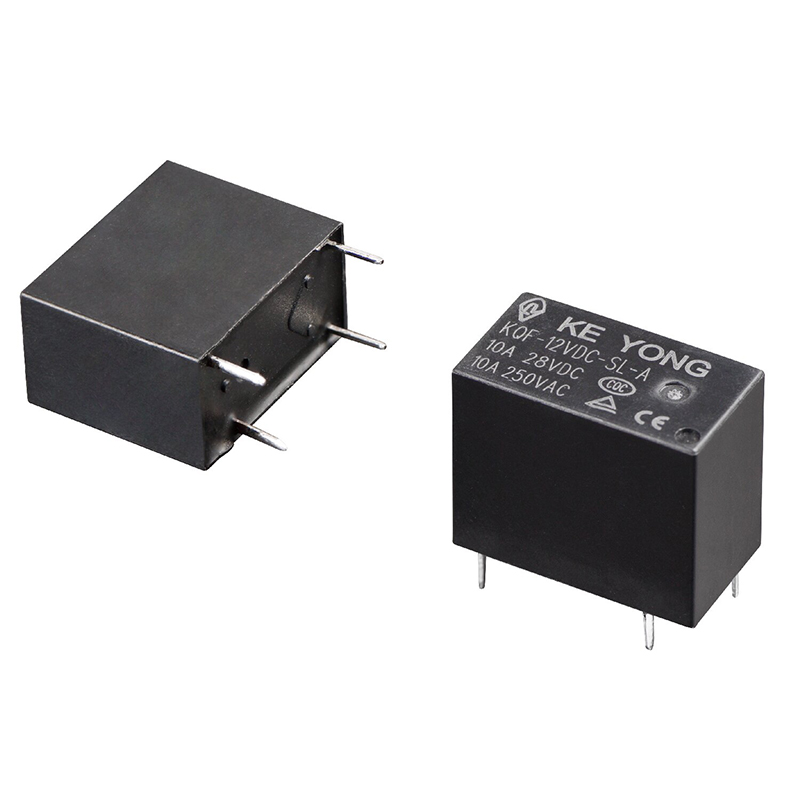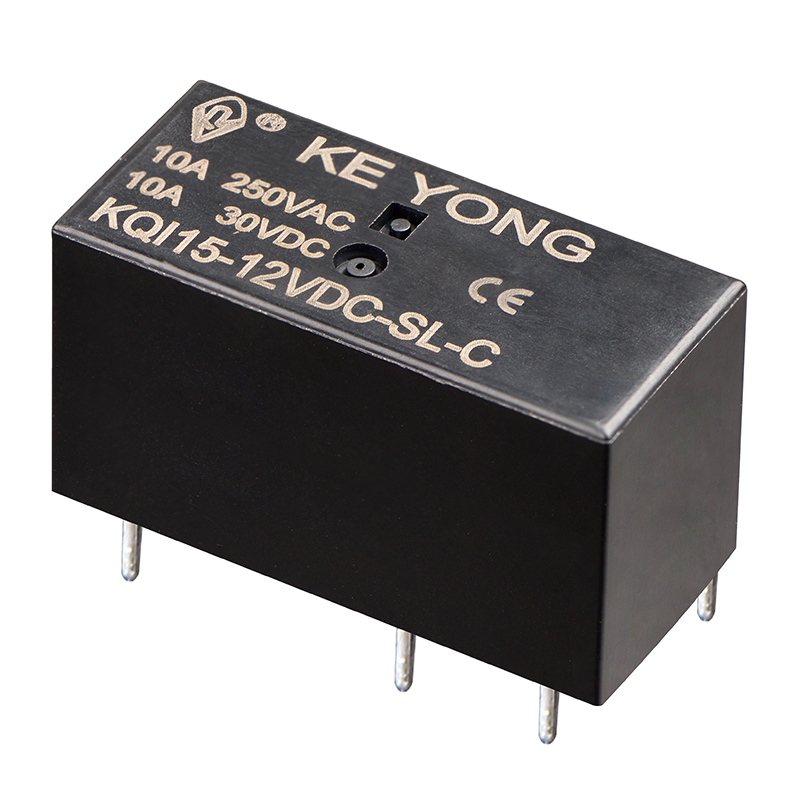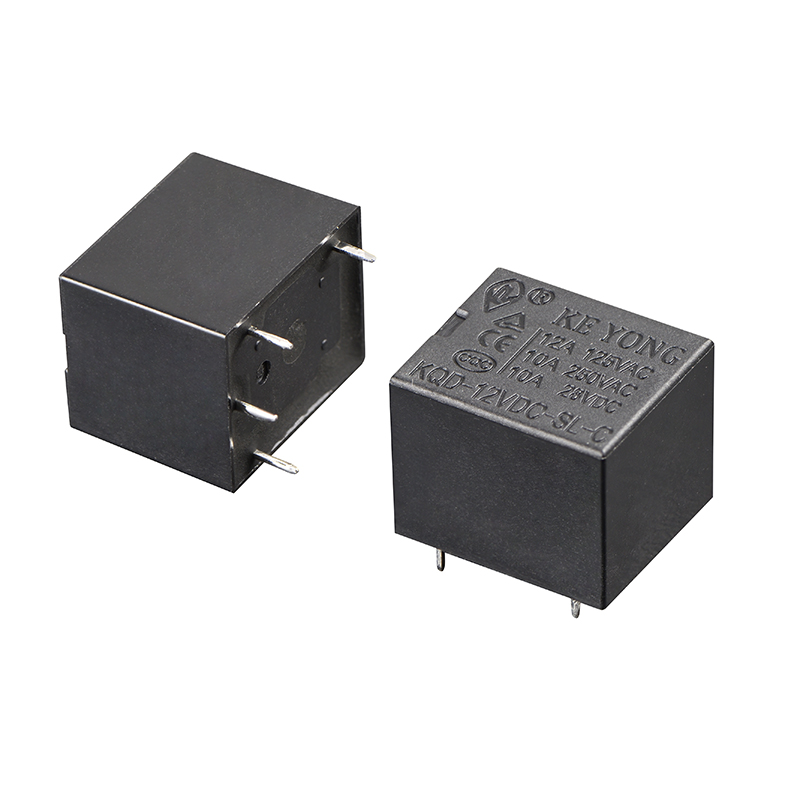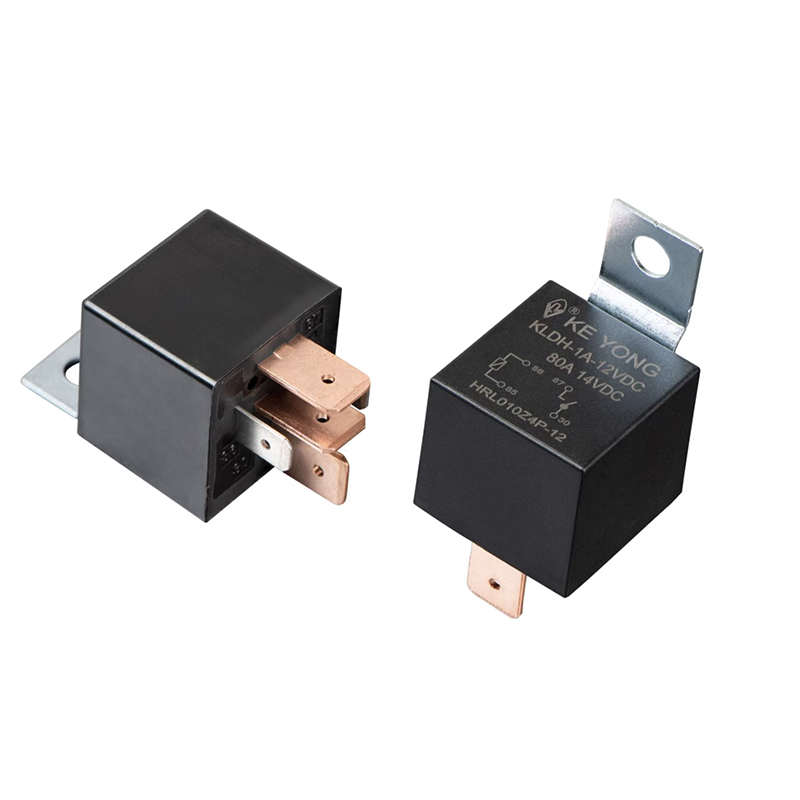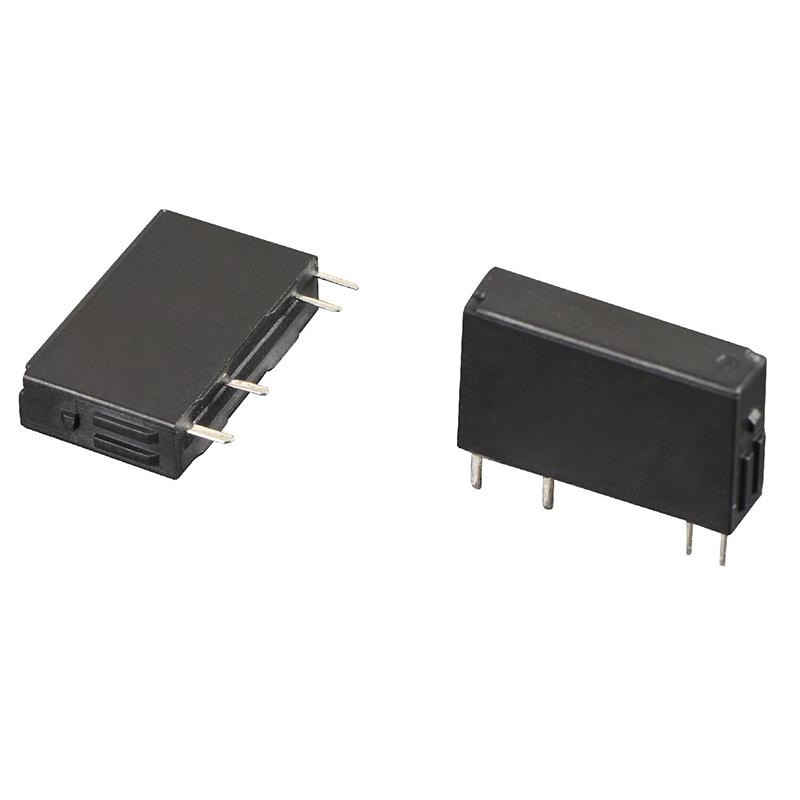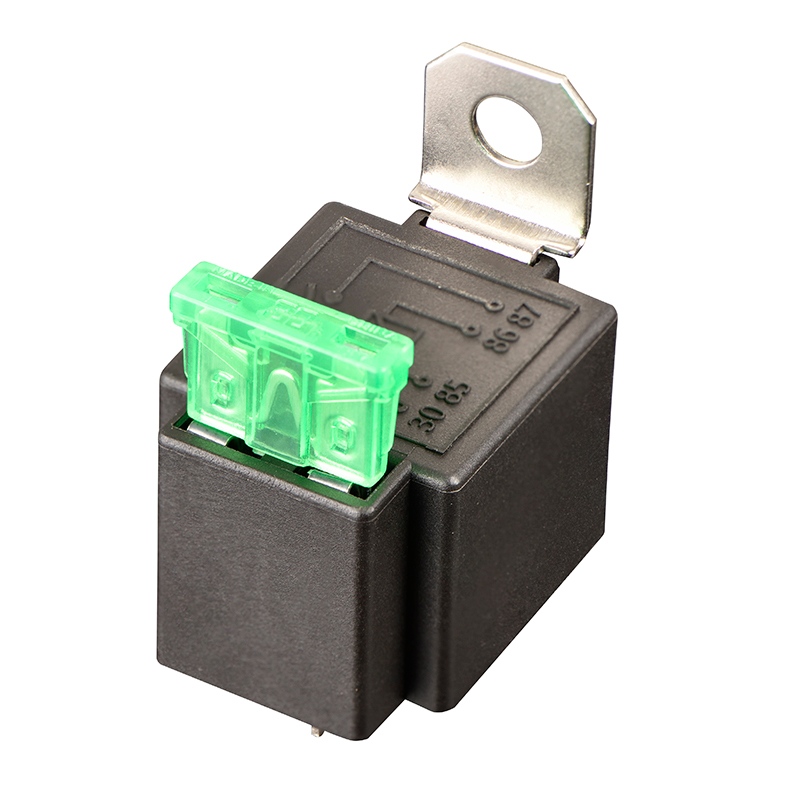

Automotive electrical systems use relays to control power to lighting, cooling fans, air conditioning, motors, and other electrical loads. The appropriate relay depends on the current being switched, the type of load, available installation space, and the operating environment.
The main difference between a High Current Automotive Relay and a standard automotive relay is the load each design is intended to handle. A high-current model is developed for demanding power-switching applications, while a standard relay may be sufficient for lower-current circuits and general electrical control. However, the actual capability depends on the specifications of the individual model rather than its name alone.
For automotive electronics manufacturers, choosing between the two requires more than comparing rated current. Contact configuration, inrush current, coil voltage, thermal conditions, and mounting requirements also affect relay selection.
Current rating is usually the first specification to check when selecting an automotive relay. Lighting circuits, fans, pumps, and motors can have different operating and starting-current characteristics, so the relay must be matched to the actual electrical load.
A standard automotive relay can work well in circuits within its specified switching capacity. When a circuit involves a higher continuous current or a substantial inrush current, a relay with an appropriate high-current contact design may be necessary.
For example, KEYONG's High Current Automotive PCB Relay, model KY4119 (4120), supports contact ratings of 30A or 40A at 14VDC under resistive-load conditions. Its specifications also distinguish between making current and breaking current, which is important when evaluating loads with high starting currents.
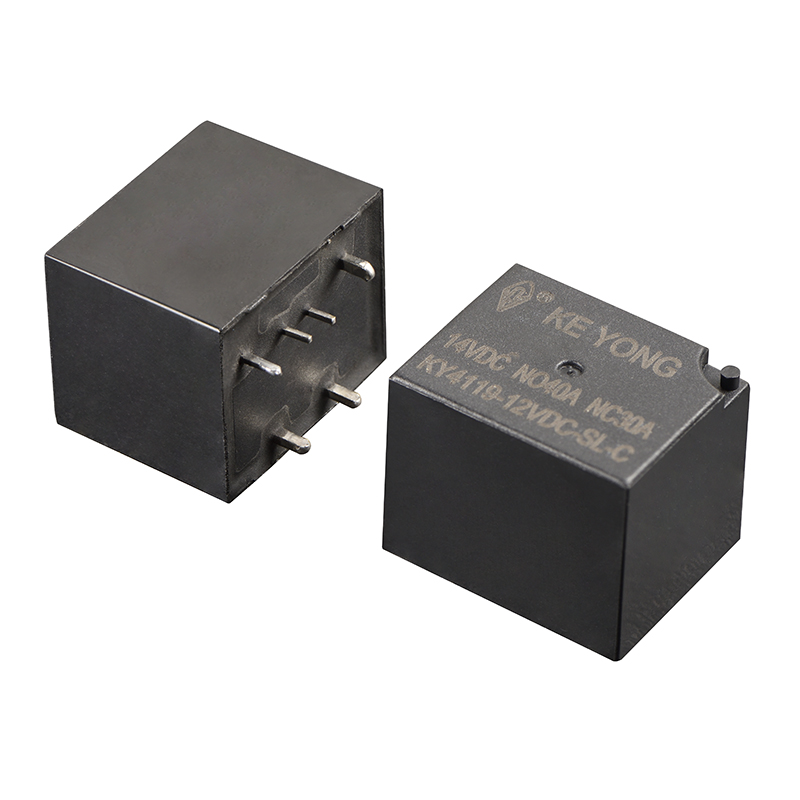
For applications requiring a different current range or installation format, the 100A Automotive High Current Relay, model KLDH (V7), provides another option to evaluate. Its listed contact ratings and maximum switching conditions should be checked carefully because the product name does not mean that every load can be switched continuously at 100A.
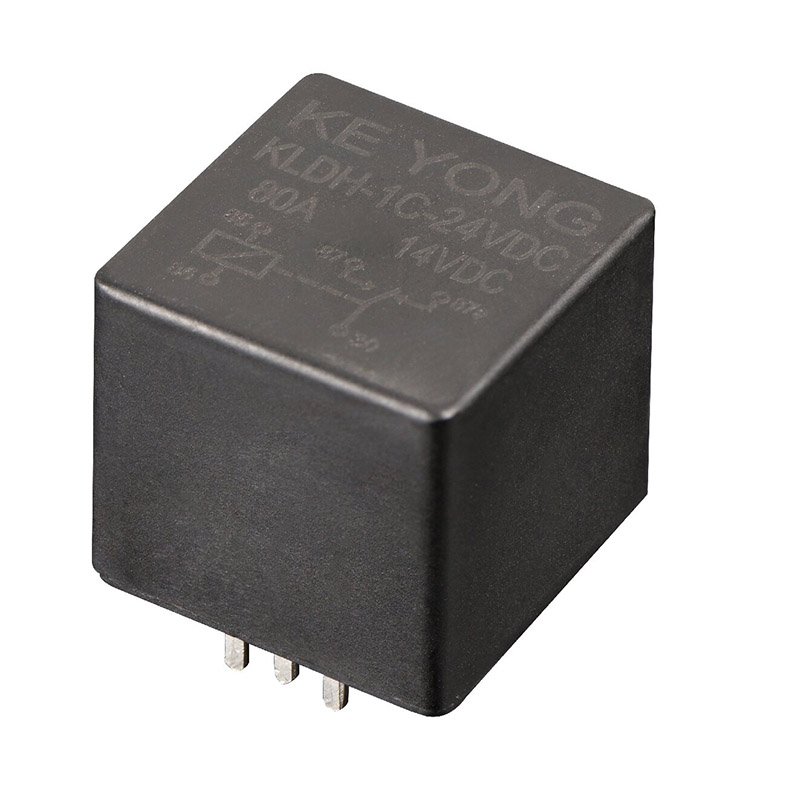
The relay contacts carry the switched load, making their material, contact resistance, and switching capability important to long-term performance.
When a relay opens or closes an energized circuit, an electrical arc may form between the contacts. The severity depends on factors such as current, voltage, load type, and switching conditions. Inductive loads, including motors and solenoids, can place different demands on contacts than resistive loads.
High-current designs may incorporate contact materials and internal structures intended for more demanding switching conditions. Some models also include arc-control features. For instance, KEYONG's KLDH (V7) relay lists built-in blowout magnets as part of its arc-control design.
Standard automotive relays remain suitable for loads within their specified limits. The relevant comparison is therefore not simply whether a relay is described as standard or high-current, but whether its contact ratings and switching characteristics match the intended circuit.
Before finalizing a model, engineers should review the rated voltage and current, maximum switching conditions, electrical endurance, and the manufacturer's load-limit information.
Both standard and high-current automotive relays use a control coil to operate the contacts. Applying the correct voltage to the coil creates the magnetic force that changes the contact state.
Common automotive relay coil voltages include 12VDC and 24VDC, although the available options vary by model. The coil voltage must match the control circuit, and coil power consumption should be considered when multiple relays operate in the same system.
KEYONG's KLDH (V7) high-current relay lists 12VDC and 24VDC coil options. The Automotive Relay range also includes different relay types for general vehicle electrical control, giving engineers a starting point when comparing coil requirements, contact configurations, and mounting options.
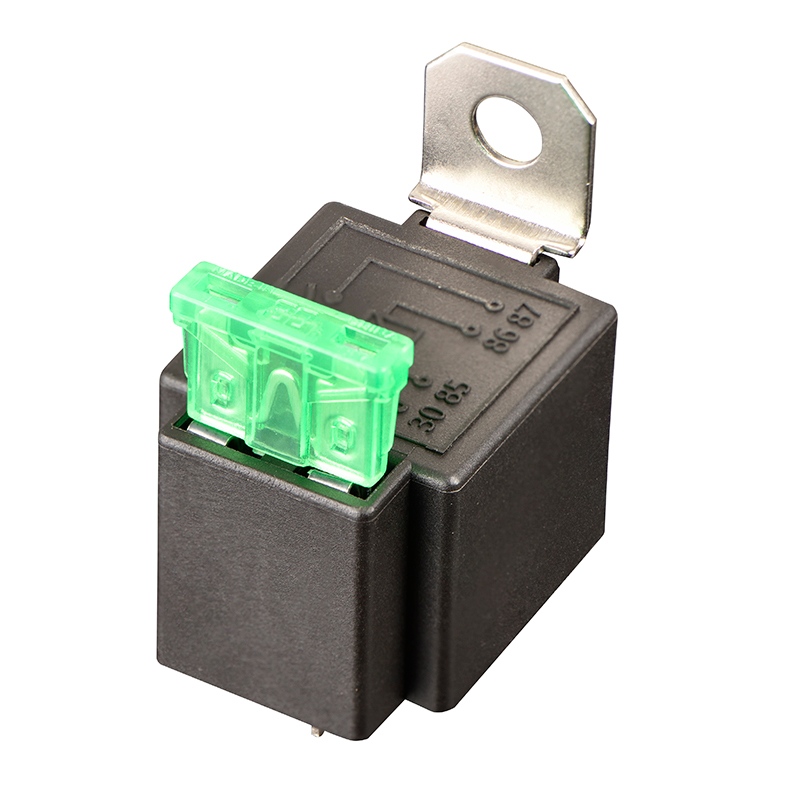
For electronic control modules, it is also worth checking whether a relay requires a diode or resistor for coil suppression. These options can affect the drive circuit, polarity requirements, and relay release behavior. They should be selected according to the circuit design rather than added without verification.
Physical compatibility is another practical difference between automotive relay designs.
Standard automotive relays are available in different package sizes and terminal arrangements. Depending on the model, they may use plug-in terminals, quick-connect terminals, or PCB pins. High-current relays may also be designed for PCB integration or for installation in a dedicated relay socket.
For compact electronic modules, the High Current Automotive PCB Relay offers a PCB-mounted format with sealed and open-type options. Its listed configurations include American and European terminal dimensions, which can help engineers assess compatibility with an existing assembly.
For vehicle power distribution or other installations where a plug-in arrangement is preferred, the Shrouded Type Automotive Relay is another model to consider. It supports plug-in and PCB-related installation configurations, with protection options specified for the product.
Before selecting a relay, compare its overall dimensions, terminal layout, mounting method, socket compatibility, and available clearance. A relay with an appropriate current rating may still be unsuitable if it cannot fit the existing assembly or connect correctly to the wiring harness.
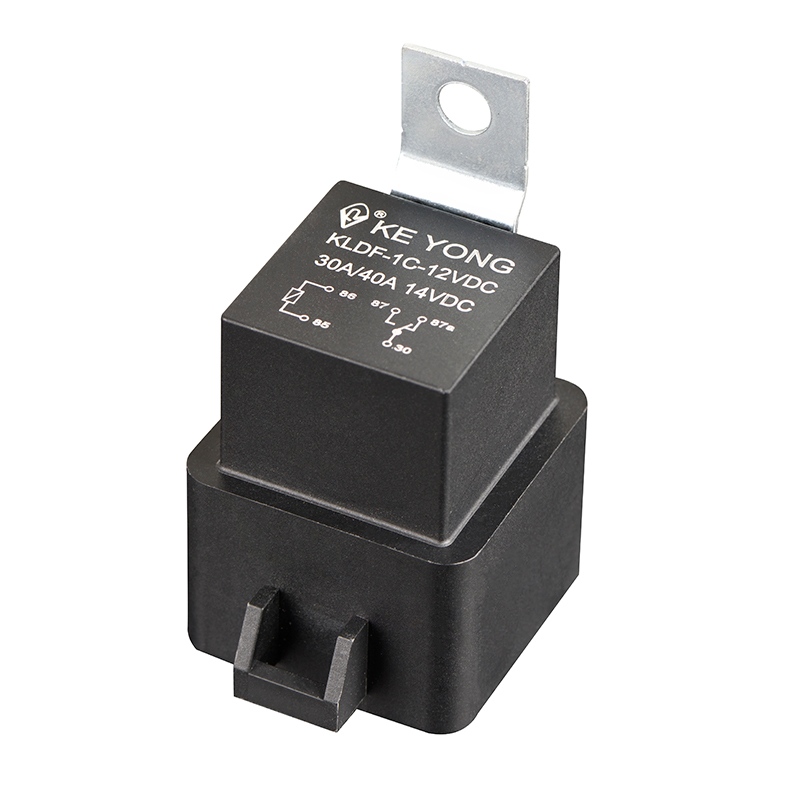
Automotive relays operate in environments where temperature changes and mechanical vibration can affect component performance. The requirements vary according to installation location, from protected electronic modules to areas exposed to higher temperatures and more severe vibration.
A relay's operating-temperature range should be assessed alongside its electrical load. Contact heating, switching frequency, surrounding components, and enclosure conditions can all influence the temperature experienced during operation.
KEYONG's KLDH (V7) and KY4119 (4120) product specifications list an operating-temperature range of -40°C to +125°C. The KLDH (V7) is also listed with dustproof and sealed construction options, while the KY4119 (4120) is available in sealed and open types.
These specifications provide a basis for comparison, but they do not mean that every configuration will perform identically under all conditions. Engineers should verify the exact model's ratings and protection structure against the intended installation environment.
The most suitable relay is the one that meets the electrical, mechanical, and environmental requirements of the application without introducing unnecessary design complexity.
Use the following checks when comparing a standard relay with a high-current model:
Determine the actual load: Establish the normal operating current, starting or inrush current, supply voltage, and load type.
Verify contact ratings: Check the rated load conditions and maximum switching limits rather than relying on a headline current figure.
Match the coil specification: Confirm coil voltage, power consumption, and any suppression-component requirements.
Check mounting compatibility: Review dimensions, terminal arrangement, socket requirements, and PCB layout.
Evaluate operating conditions: Consider ambient temperature, vibration, moisture, dust, and switching frequency.
Review service-life requirements: Compare electrical and mechanical endurance under conditions relevant to the application.
For example, a compact relay rated for the intended load may be appropriate for a control board with limited installation space. A relay with a more suitable high-current contact design may be needed for a power-distribution circuit. The final decision should be based on the complete specification and actual operating conditions.
No. A high-current relay is useful when the load and switching conditions require its capabilities. For lower-current circuits, a standard relay with the correct electrical and environmental ratings may be sufficient.
Yes, if the relay's ratings support the motor's operating current, starting current, voltage, and switching conditions. Motor loads are inductive, so engineers should pay particular attention to inrush current, contact arcing, and electrical endurance.
Confirm the coil voltage, contact arrangement, rated current and voltage, maximum switching conditions, operating-temperature range, terminal dimensions, mounting style, and protection type. For OEM projects, samples and technical documentation can help verify compatibility before production orders are placed.
A high-current automotive relay describes a relay intended for demanding electrical loads. A high-current automotive PCB relay specifically identifies a design intended for printed circuit board mounting. The PCB version must meet both the application's electrical requirements and the assembly's mechanical and layout constraints.
The distinction between a standard automotive relay and a high-current model comes down to the electrical load, switching behavior, mounting requirements, and operating environment. Comparing these factors helps engineers avoid selecting a relay based on current rating alone.
KEYONG offers automotive relay options for general vehicle electrical control and higher-current applications. To identify a suitable model for an OEM project, provide the required coil voltage, load current, contact configuration, mounting type, and operating conditions when requesting technical information or a quotation.