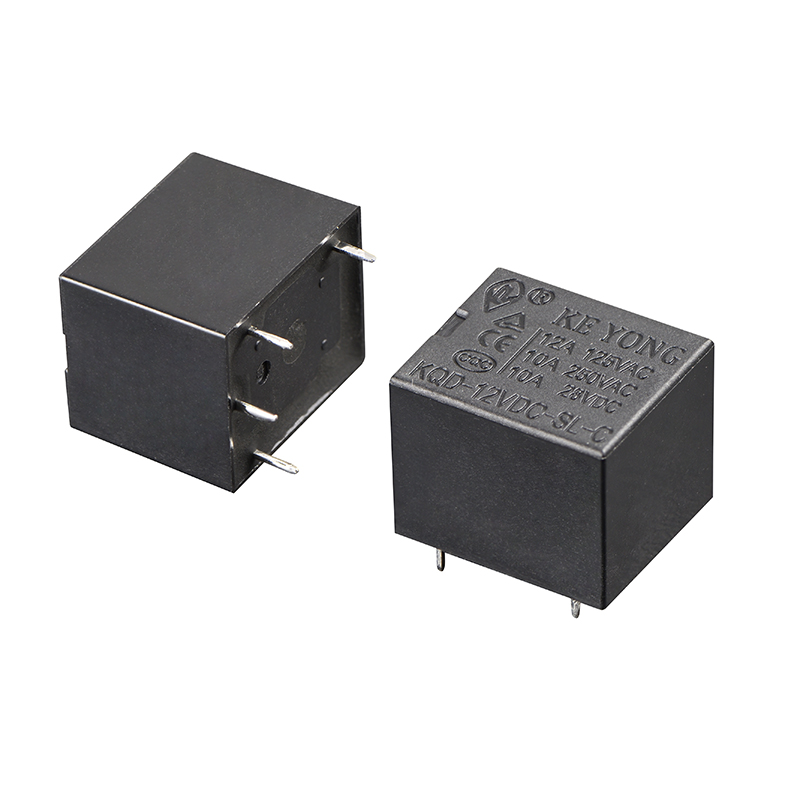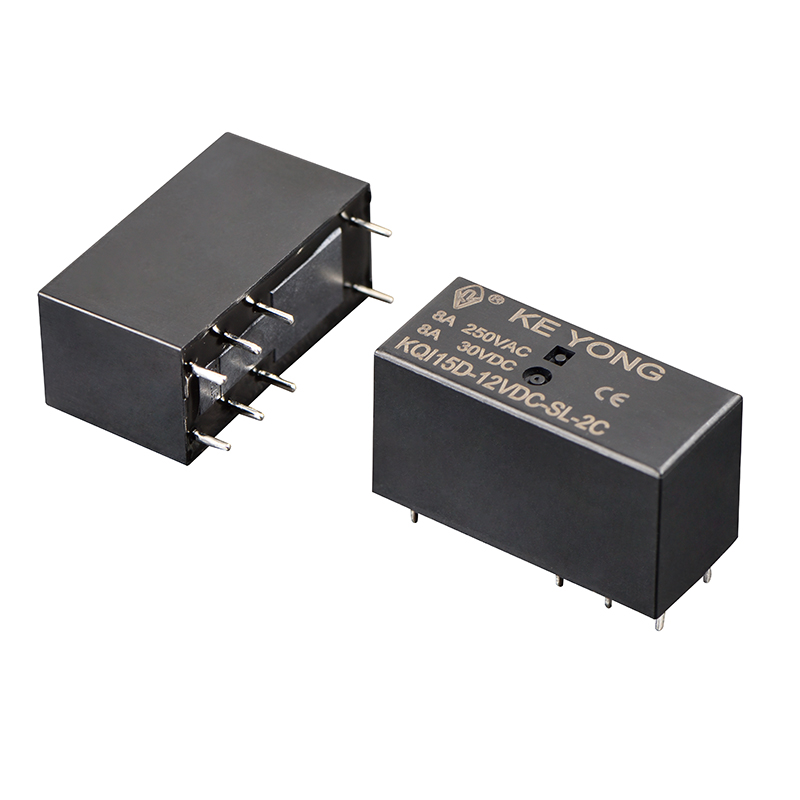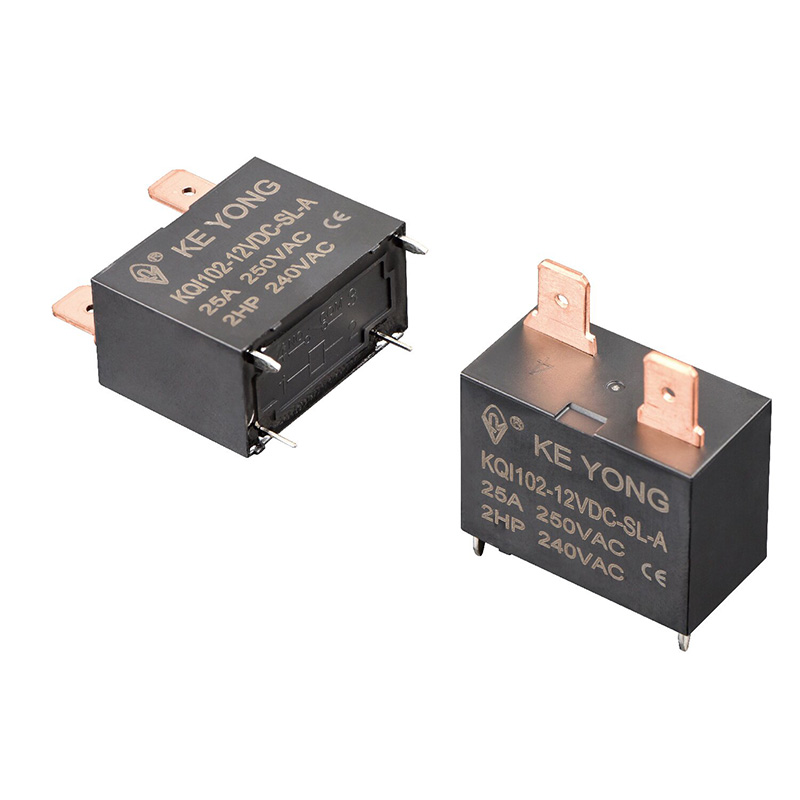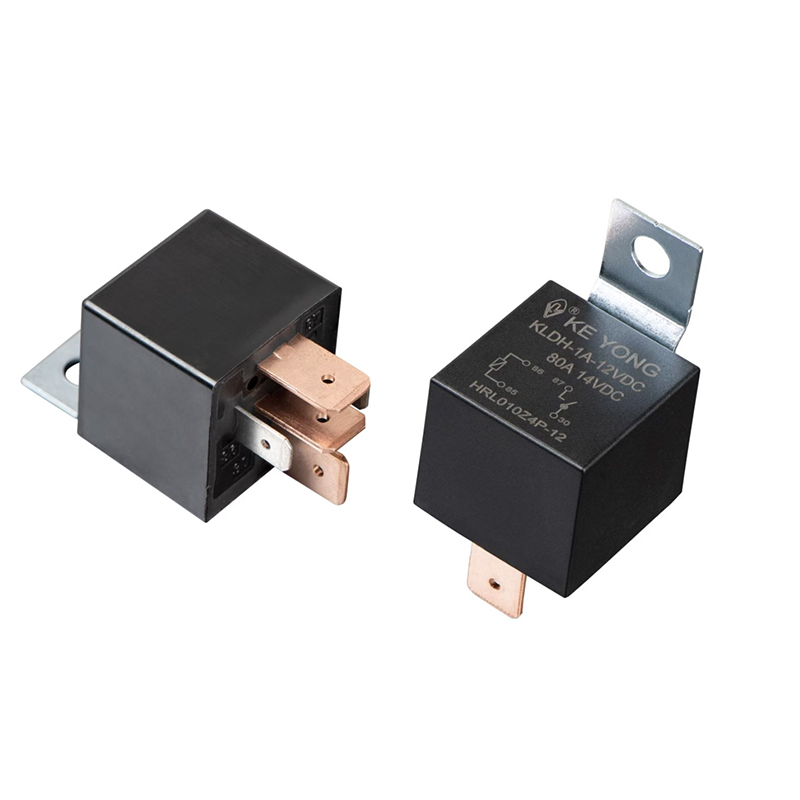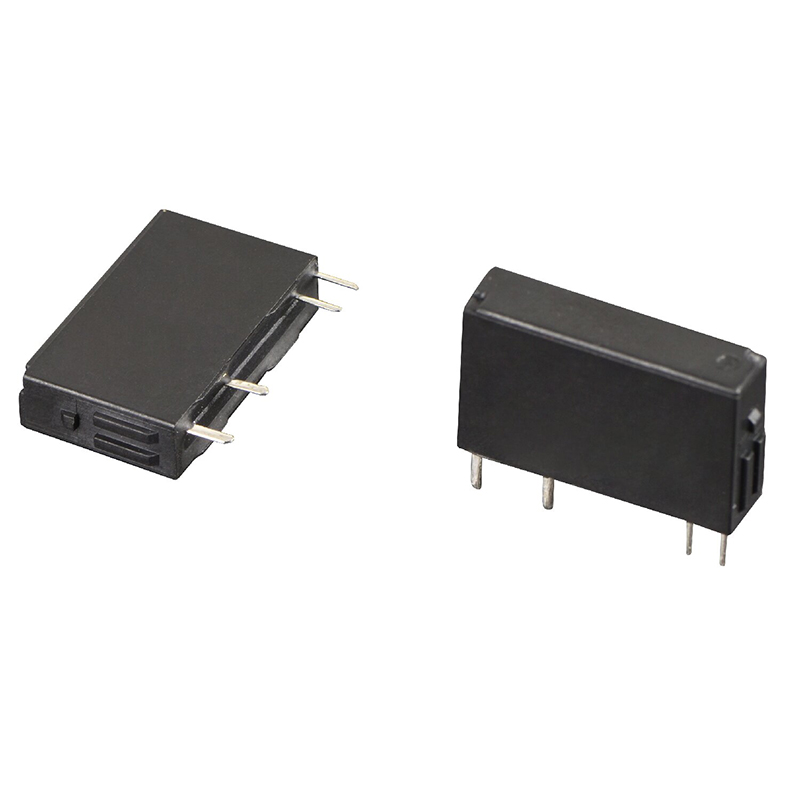

A power relay is a critical electrical switching component that helps control high-power circuits safely and efficiently. By using a low-power control signal to operate a high-current load, power relays protect electrical systems, improve automation performance, and enhance operational safety. This article explains how power relays work, their major advantages, common applications, selection considerations, and how businesses can choose reliable relay solutions for different industrial requirements.
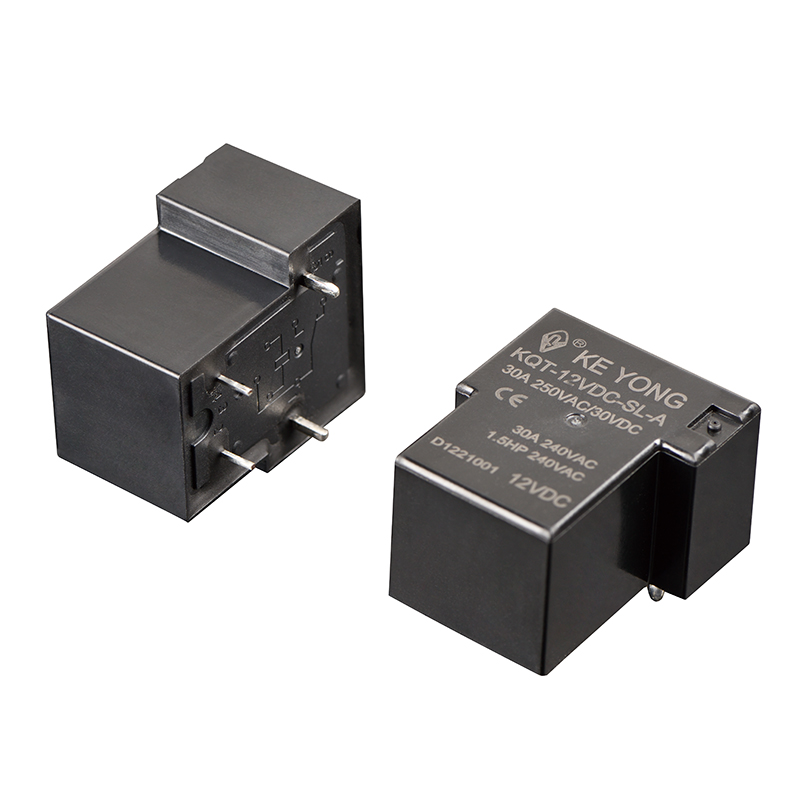
With increasing demands for smarter electrical systems, automation equipment, and energy-efficient solutions, selecting the right power relay has become essential. NINGBO KEYONG JINGSHENG ELECTRICAL APPLIANCE CO., LTD. provides professional relay solutions designed to meet diverse industrial and commercial applications with stable performance and dependable quality.
A power relay is an electrically operated switch designed to control high-voltage or high-current circuits through a smaller control signal. It acts as a bridge between a control system and a power load, allowing devices such as motors, lighting systems, heating equipment, and industrial machines to operate safely.
Unlike traditional mechanical switches that require direct manual operation, power relays enable automatic control through electronic systems, sensors, programmable controllers, and automation equipment. This makes them an essential component in modern electrical applications.
The main purpose of a power relay is to provide electrical isolation between the control circuit and the power circuit. This prevents sensitive control devices from being damaged by high current loads while ensuring reliable switching performance.
The operation of a power relay is based on electromagnetic principles. When an electrical signal passes through the relay coil, it creates a magnetic field that moves an internal armature. This movement changes the position of electrical contacts, allowing current to flow through the connected power circuit.
The working process can generally be divided into four steps:
When the control signal disappears, the magnetic field is removed, and the relay returns to its original position. This simple but efficient mechanism allows power relays to control complex electrical systems with precision.
Understanding the internal structure of a power relay helps users select suitable products and maintain stable operation. A typical power relay consists of several important components.
| Component | Function |
|---|---|
| Coil | Generates the magnetic field required for relay activation. |
| Armature | Moves according to electromagnetic force and controls contact switching. |
| Contacts | Connect or disconnect the power circuit. |
| Spring Mechanism | Returns the relay contacts to their original position. |
| Housing | Protects internal components from environmental influences. |
Each component directly affects relay performance, including switching speed, electrical endurance, temperature resistance, and overall service life.
Power relays provide significant advantages for industrial automation, electrical equipment, and commercial systems. Their ability to safely control powerful loads makes them widely used across multiple industries.
Power relays are widely used because they provide dependable control for various electrical systems. Different industries rely on relay technology to improve efficiency and automation.
| Industry | Application Examples |
|---|---|
| Industrial Automation | Machine control systems, production equipment, automated lines |
| Home Appliances | Air conditioners, refrigerators, washing machines |
| Automotive Electronics | Vehicle power management and electrical control systems |
| Energy Systems | Power distribution and protection equipment |
| Communication Equipment | Signal switching and power management systems |
For manufacturers and system integrators, selecting reliable relay components is essential for reducing downtime and improving product performance.
Choosing an appropriate power relay requires careful consideration of electrical requirements, environmental conditions, and application goals. An unsuitable relay may cause overheating, contact failure, or reduced system reliability.
Important factors include:
Working with an experienced relay manufacturer helps customers receive solutions that match specific technical requirements.
| Relay Type | Main Features | Suitable Applications |
|---|---|---|
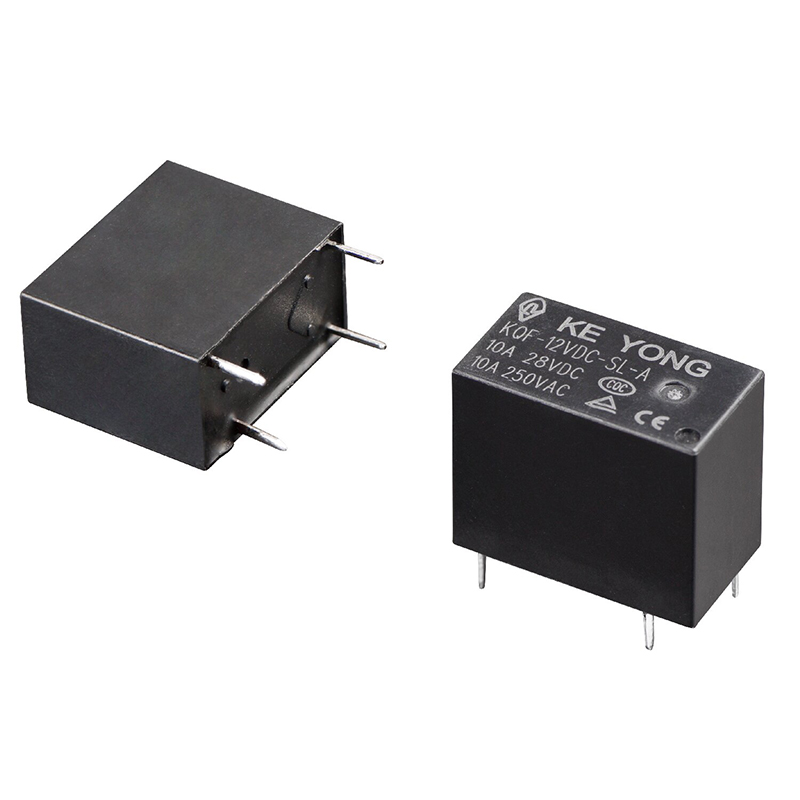
| Electromagnetic Relay | Strong switching capability and reliable structure | Industrial equipment and general electrical control |
| Solid State Relay | No mechanical contacts and fast switching response | High-frequency switching applications |
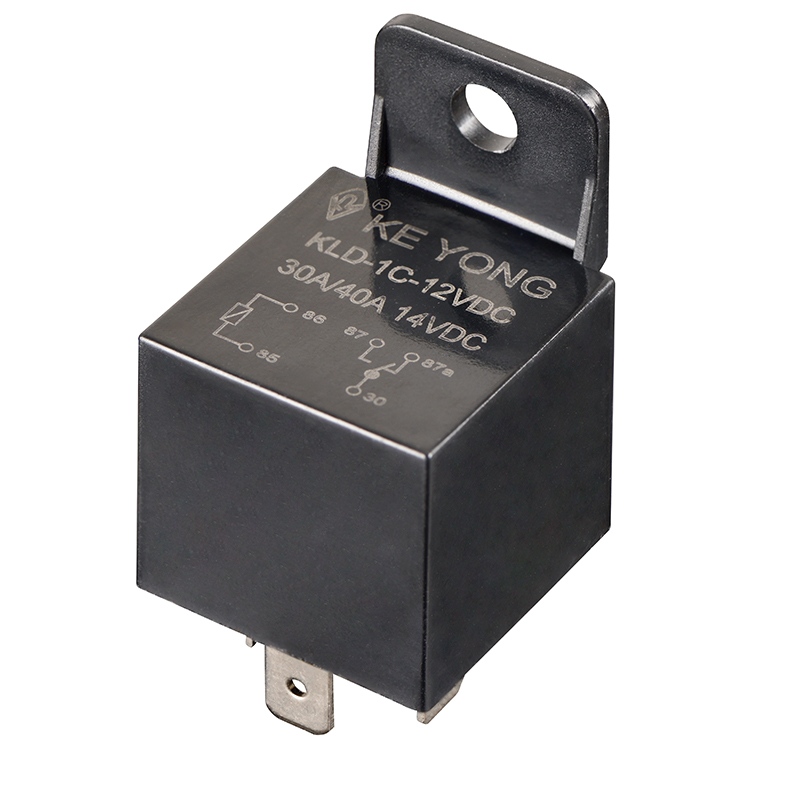
| Automotive Relay | Designed for vehicle electrical systems | Automotive power control |
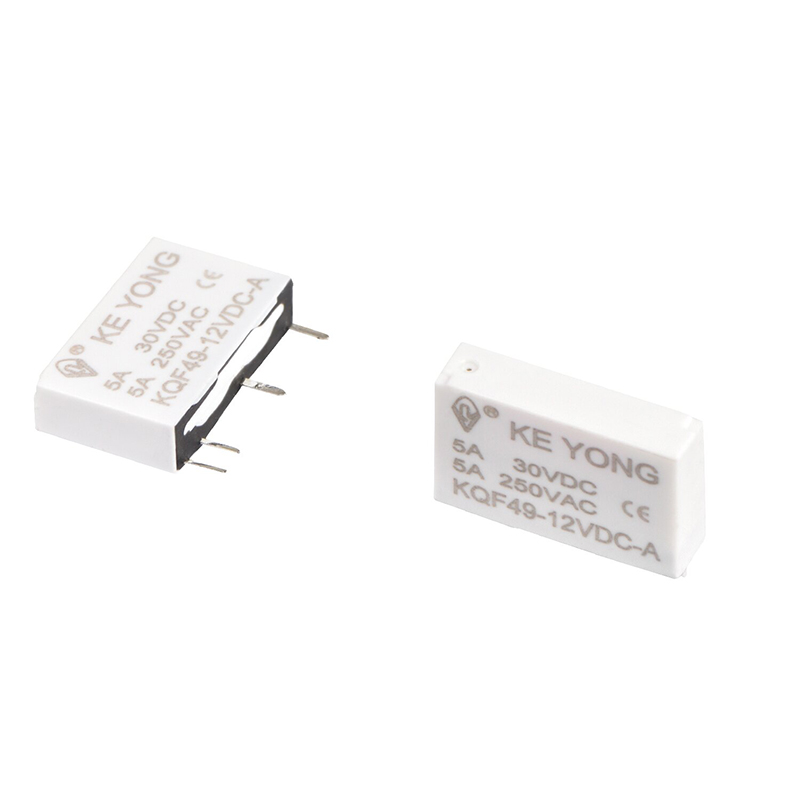
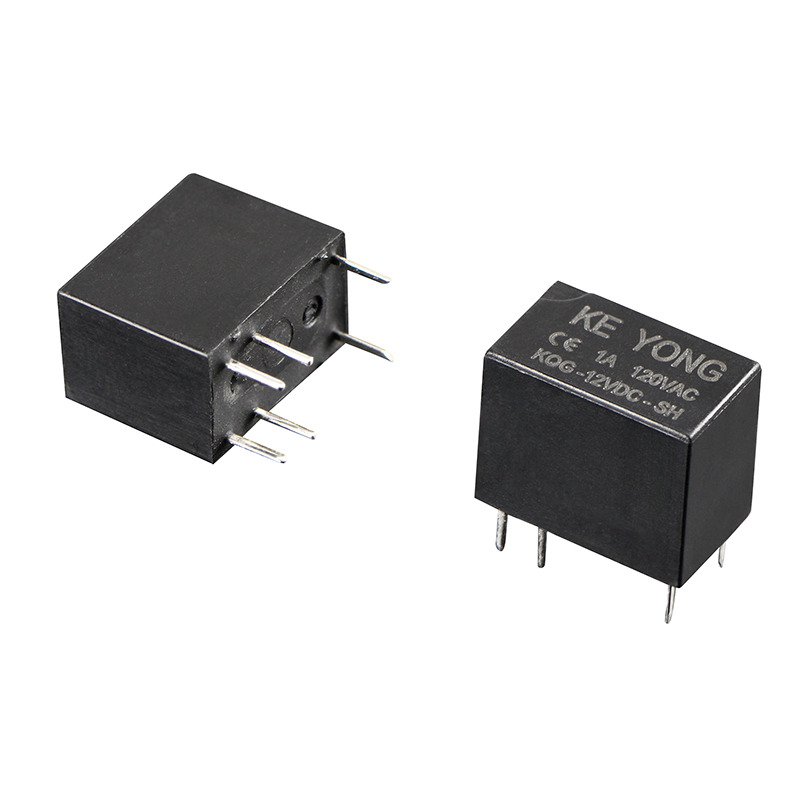
| Miniature Power Relay | Compact size with efficient performance | Electronic devices and compact equipment |
Different relay types offer different advantages. Understanding application requirements is the key to selecting the most suitable solution.
Although power relays are designed for durability, proper maintenance can further improve reliability and extend operational life.
Preventive maintenance reduces unexpected failures and helps electrical systems maintain stable operation.
Q1: What is the main purpose of a power relay?
A power relay allows a low-power control signal to safely operate a high-power electrical circuit while providing electrical isolation and protection.
Q2: How long can a power relay operate?
The service life depends on relay quality, switching frequency, load conditions, and operating environment. Proper selection and maintenance can significantly extend lifespan.
Q3: What is the difference between a relay and a switch?
A switch usually requires manual operation, while a relay can automatically control circuits through electrical signals.
Q4: Why is relay quality important?
High-quality relays provide better electrical stability, stronger durability, and improved safety for connected equipment.
Q5: Where can reliable power relay solutions be found?
Professional manufacturers such as NINGBO KEYONG JINGSHENG ELECTRICAL APPLIANCE CO., LTD. provide dependable relay products designed for different industrial and commercial applications.
Power relays play an essential role in modern electrical control systems by providing safe, efficient, and reliable switching solutions. From industrial automation and household appliances to energy systems and electronic equipment, power relays help improve performance while protecting valuable components.
Selecting the correct relay requires careful evaluation of electrical specifications, application conditions, and product reliability. With professional manufacturing experience and advanced production capabilities, NINGBO KEYONG JINGSHENG ELECTRICAL APPLIANCE CO., LTD. delivers high-quality relay solutions designed to meet diverse customer requirements.
For reliable power relay products, customized solutions, and professional technical support, please contact us today. NINGBO KEYONG JINGSHENG ELECTRICAL APPLIANCE CO., LTD. is ready to provide efficient relay solutions that help your electrical systems achieve safer and more stable performance.