
Article Summary
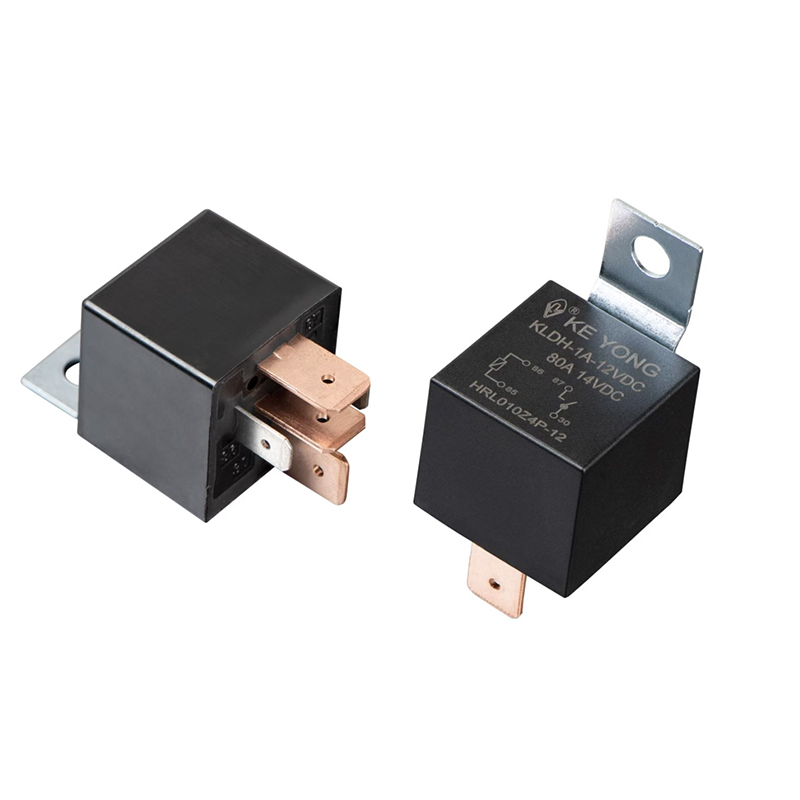
Automotive relays are essential electrical components that help vehicles manage power distribution efficiently and safely. As modern vehicles continue to integrate advanced electronics, intelligent systems, and high-power devices, reliable relay solutions have become increasingly important. This article explains how automotive relays work, why they matter, how they solve common vehicle electrical problems, and what factors should be considered when selecting a suitable relay. With professional manufacturing experience, NINGBO KEYONG JINGSHENG ELECTRICAL APPLIANCE CO., LTD. provides reliable automotive relay solutions designed to support stable vehicle operation in demanding environments.
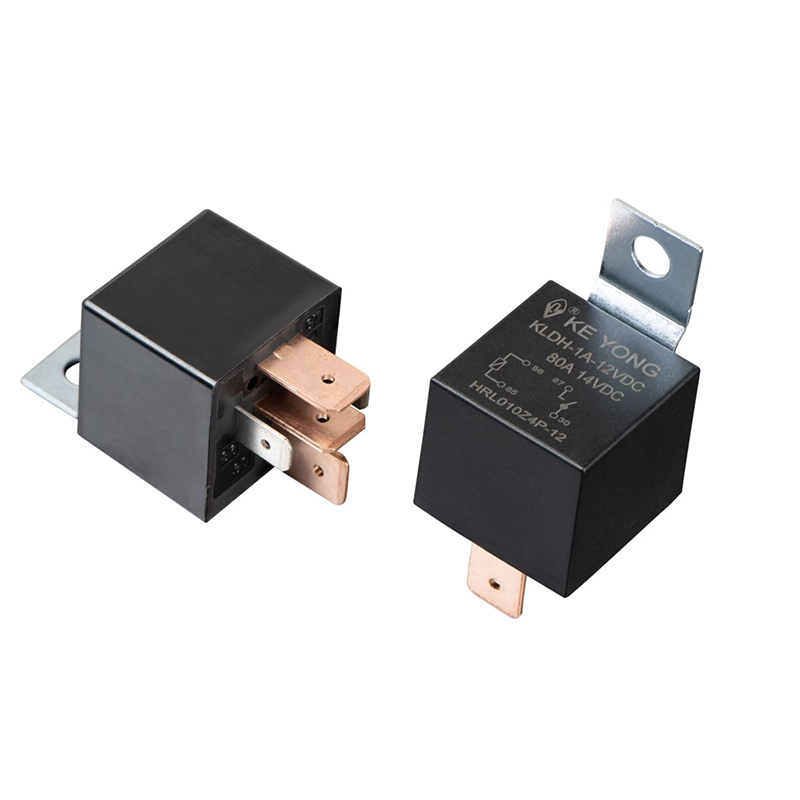
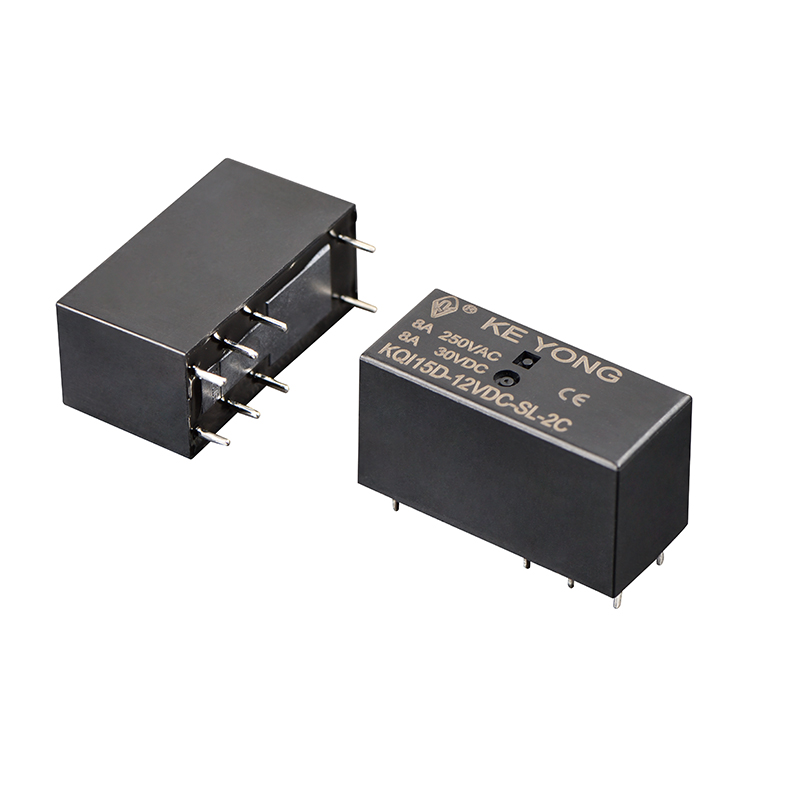
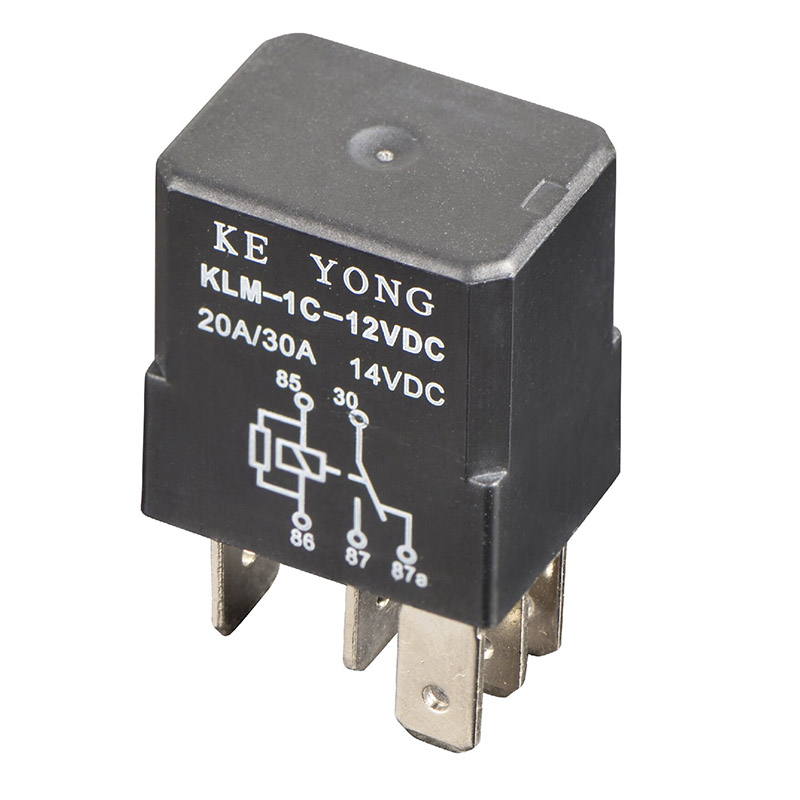
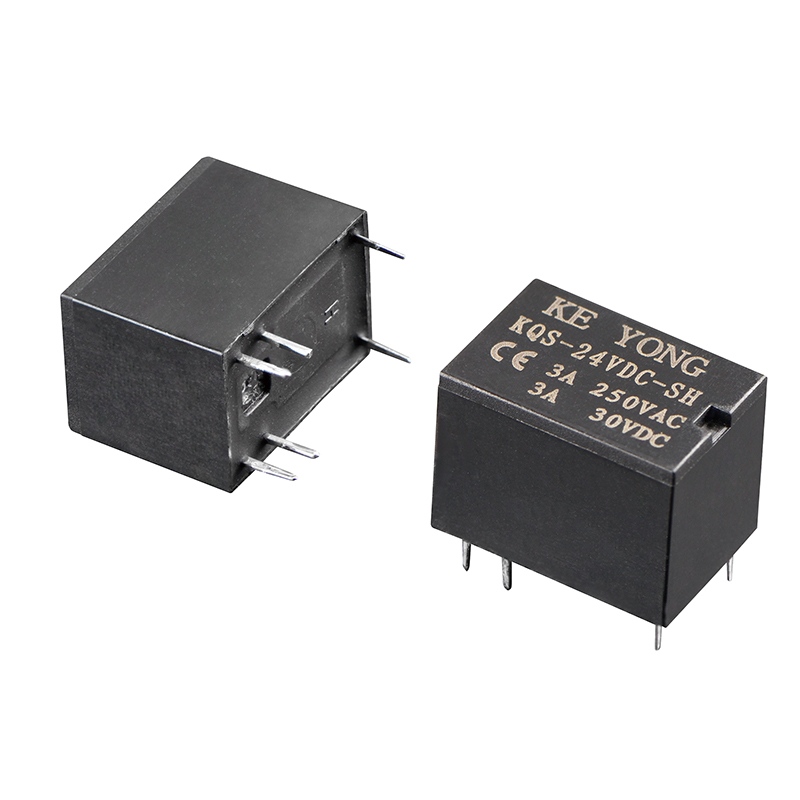
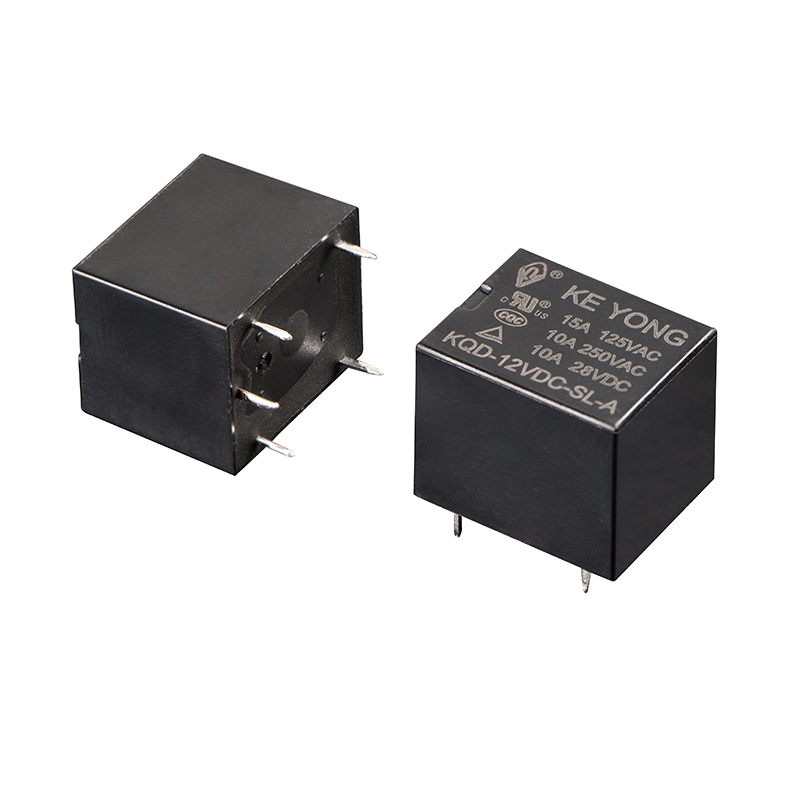
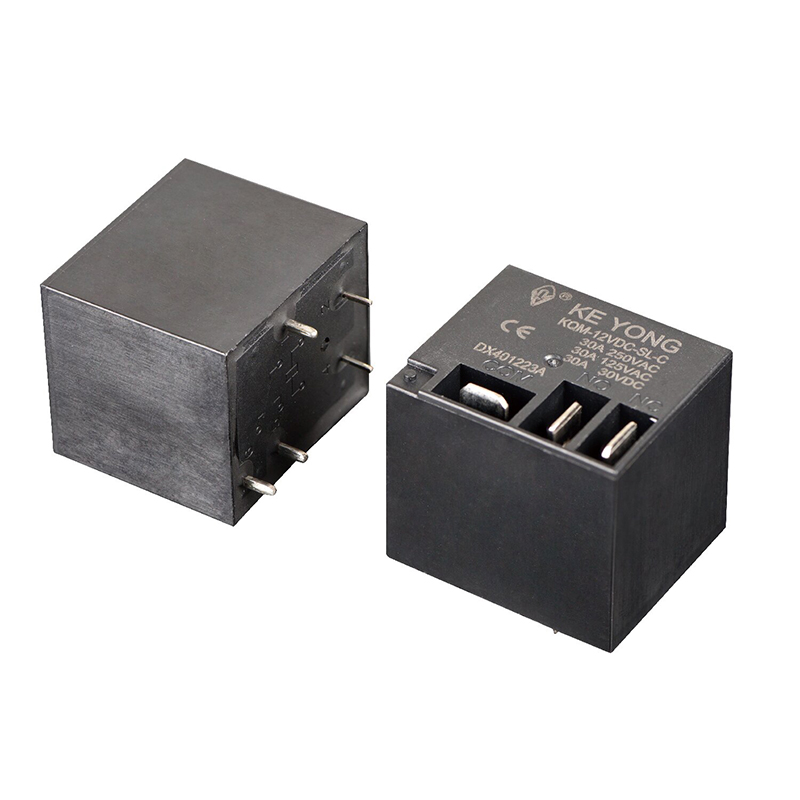
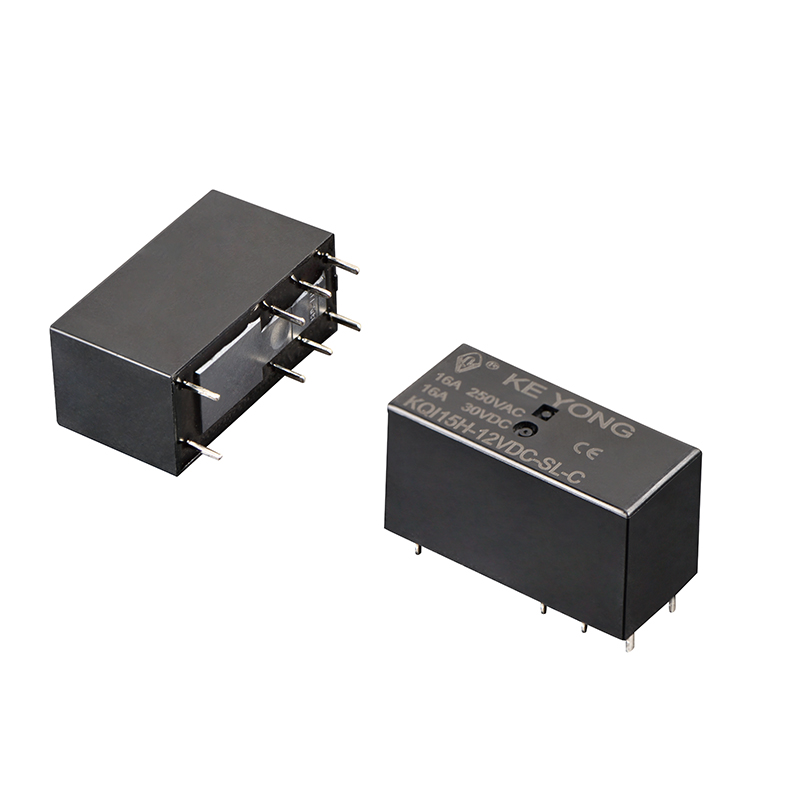
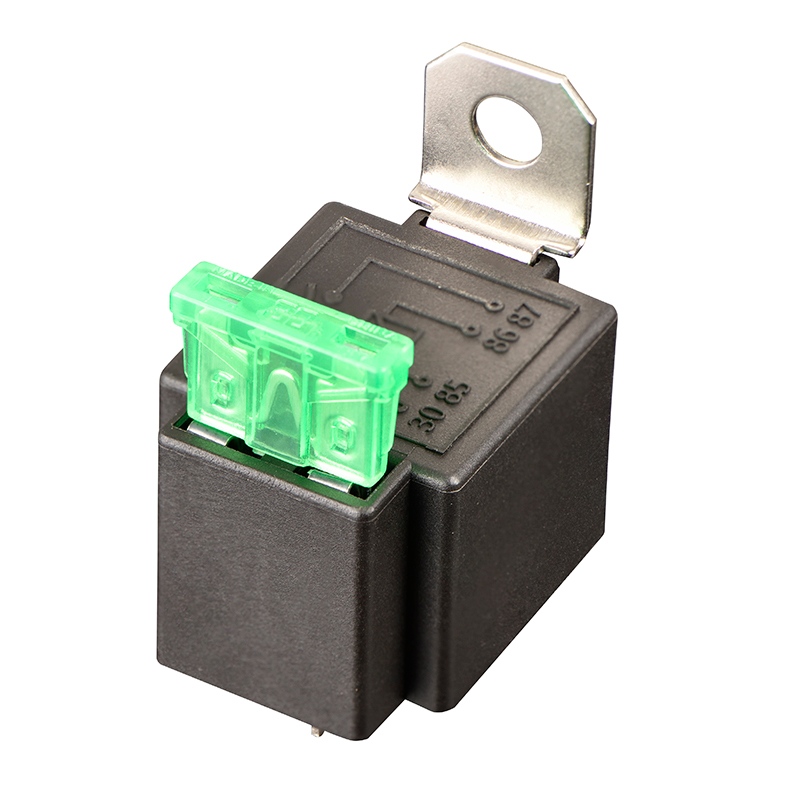
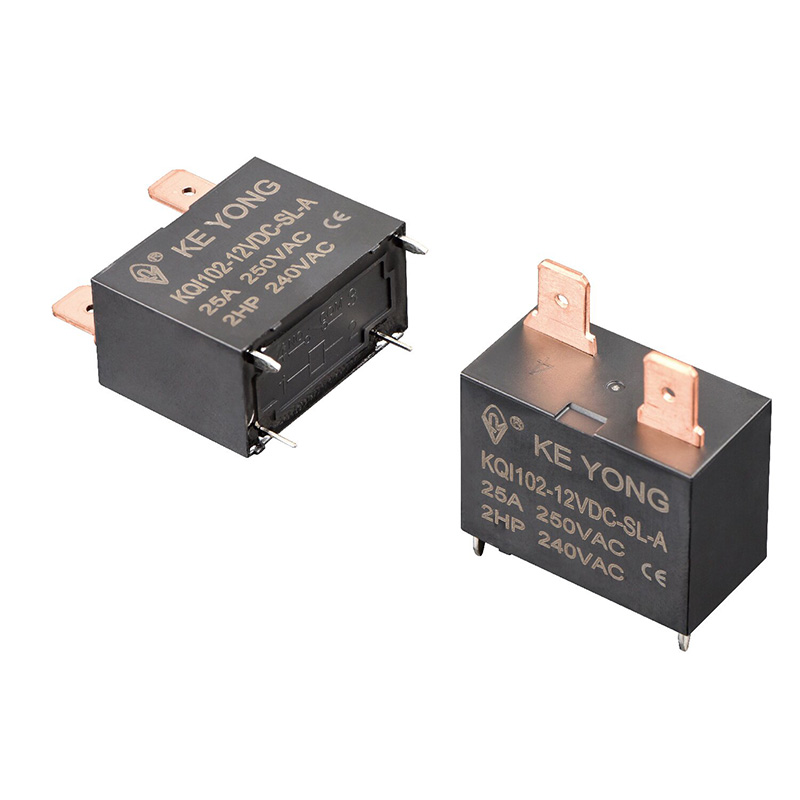
An automotive relay is an electrically controlled switching device that allows a low-current circuit to control a higher-current electrical load. In vehicles, many components require more electrical power than standard switches can safely handle. Automotive relays solve this challenge by acting as a bridge between the control system and power-consuming devices.
From headlights and air conditioning systems to fuel pumps, cooling fans, and safety equipment, automotive relays help ensure that electrical components receive stable power when needed. Without reliable relays, vehicle systems may experience voltage drops, unstable operation, or even electrical failures.
Unlike simple mechanical switches, automotive relays are designed to withstand vibration, temperature changes, moisture, and continuous operation. This makes them suitable for complex automotive environments where durability and reliability are critical.
The working principle of an automotive relay is based on electromagnetic control. When a small control current passes through the relay coil, it creates a magnetic field that moves an internal contact mechanism. This action connects or disconnects the main power circuit.
A typical automotive relay consists of several important parts:
When a driver activates a vehicle function, such as turning on the headlights, the control circuit sends a small electrical signal to the relay. The relay then allows a larger current to flow to the headlights without placing excessive stress on the original control switch.
Modern vehicles contain numerous electronic systems that require precise and stable electrical management. As vehicle technology develops, the demand for high-quality automotive relays continues to increase.
| Vehicle System | Relay Function | Benefit |
|---|---|---|
| Lighting System | Controls high-current lighting circuits | Improves safety and prevents switch overload |
| Fuel System | Provides stable power to fuel pumps | Supports consistent engine performance |
| Cooling System | Controls cooling fans | Helps maintain proper engine temperature |
| Air Conditioning | Manages compressor power supply | Ensures efficient operation |
| Electric Vehicle Systems | Controls power distribution | Enhances electrical safety |
A dependable automotive relay reduces electrical system stress, improves component lifespan, and helps manufacturers create safer and more efficient vehicles.
Many vehicle electrical issues are related to unstable power control. Automotive relays provide effective solutions for several common challenges.
For vehicle manufacturers and repair professionals, selecting reliable automotive relays is an important step in preventing unexpected electrical problems.
Different vehicle applications require different relay designs. Choosing the correct type ensures better performance and reliability.
| Relay Type | Main Features | Typical Applications |
|---|---|---|
| Electromagnetic Relay | Uses magnetic force for switching | Traditional vehicle electrical systems |
| Mini Automotive Relay | Compact size and lightweight design | Space-limited applications |
| Power Relay | Handles higher electrical loads | Motors, fans, and power equipment |
| Solid State Relay | No mechanical moving parts | Advanced electronic systems |
Manufacturers need to consider electrical ratings, environmental conditions, and application requirements when selecting relay products.
Selecting an automotive relay requires careful evaluation of vehicle requirements. An unsuitable relay may result in poor performance, overheating, or premature failure.
NINGBO KEYONG JINGSHENG ELECTRICAL APPLIANCE CO., LTD. focuses on developing automotive relay products that meet demanding vehicle applications. Through advanced production processes and strict quality management, the company provides dependable solutions for customers requiring stable electrical control components.
Although automotive relays are designed for long-term operation, regular inspection can help identify potential problems before they affect vehicle performance.
| Problem | Possible Cause | Recommended Solution |
|---|---|---|
| Electrical Component Does Not Work | Relay failure or poor connection | Check relay condition and wiring connections |
| Intermittent Operation | Loose terminals or internal wear | Inspect and replace damaged components |
| Relay Clicking Noise | Insufficient voltage or contact issues | Test power supply and relay performance |
Proper installation, correct electrical matching, and timely replacement of damaged relays can significantly improve vehicle reliability.
The automotive industry is rapidly moving toward electrification, intelligent driving, and advanced energy management. These developments create new requirements for automotive relay technology.
As vehicles become more electronic, automotive relays will continue playing an important role in safe and efficient power management.
Q1: What is the main function of an automotive relay?
An automotive relay controls high-current electrical devices by using a low-current control signal, helping protect switches and improve electrical system reliability.
Q2: How long does an automotive relay usually last?
The service life depends on operating conditions, switching frequency, electrical load, and product quality. High-quality relays can provide reliable performance for many years.
Q3: Can a damaged relay affect vehicle performance?
Yes. A faulty relay may cause electrical components such as lights, fans, fuel pumps, or other systems to operate incorrectly or stop working.
Q4: Why should manufacturers choose professional automotive relay suppliers?
Professional suppliers provide consistent product quality, technical support, and solutions designed for specific vehicle applications.
Q5: What makes a high-quality automotive relay?
A high-quality automotive relay should have reliable switching performance, strong durability, accurate electrical specifications, and resistance to harsh automotive environments.
Automotive relays are small but essential components that play a major role in vehicle electrical safety, efficiency, and reliability. By managing power distribution effectively, they help modern vehicles operate smoothly while protecting electrical systems from unnecessary stress.
With professional expertise and reliable manufacturing capabilities, NINGBO KEYONG JINGSHENG ELECTRICAL APPLIANCE CO., LTD. delivers automotive relay solutions designed to meet various application requirements. Whether for traditional vehicles, electric vehicles, or customized automotive systems, choosing the right relay partner can improve product performance and long-term reliability. For dependable automotive relay solutions and professional support, please contact us today.
-